Graphics

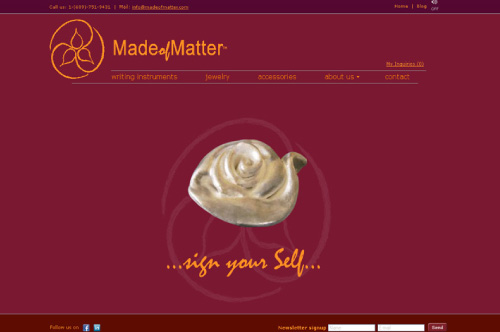
  Branding and corporate identity development.
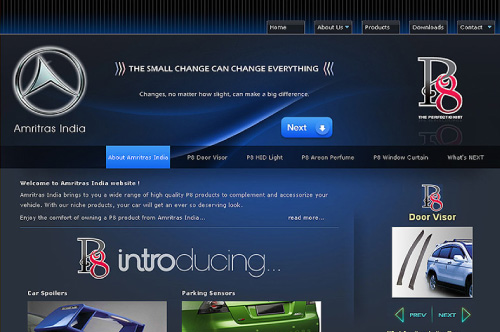
Brochures, catalogues
and other print media.


Print

  Offset, silk screen and digital printing services.
Professional high-quality print media services.


Websites

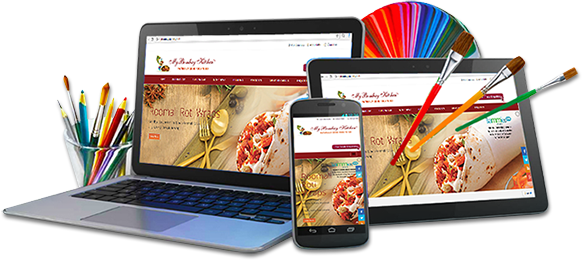
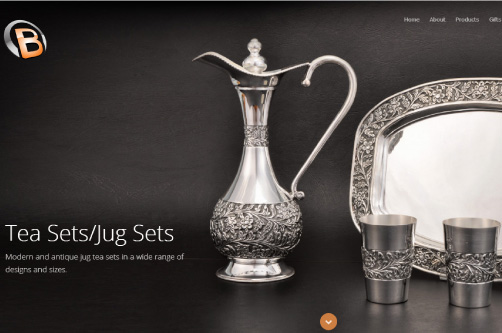
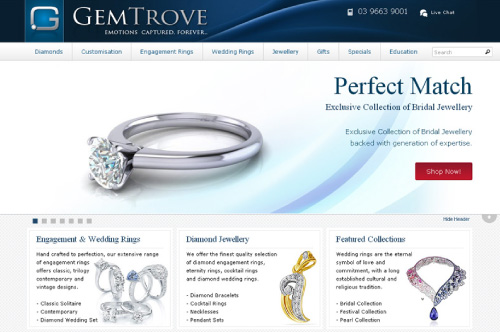
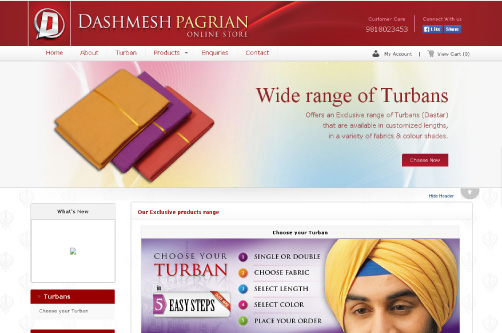
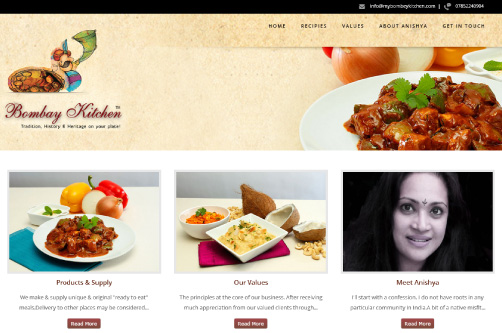
  Designing or revamping a new / existing website.
Upgradation and mgmt. of an existing website.


FREQUENTLY ASKED QUESTIONS

Previous page  


HueMatrix understands the importance of your questions. Below are some of the common queries along with their answers belonging to specific areas of graphic, web and print media.

Click on the below FAQ bars to expand specific sections of graphic, web and printing, which might give solution to some of your possible queries.


                      FAQ - WEB SITE DESIGN (Click here to expand)

1. How to start this website design process?

2. How much does it cost to design a web site?

3. How long does it take for a design to be completed?

4. How much input do I have?

5. What do you expect from my company to complete the website design?

6. How can you send the required stuff to us?

7. What is hosting and how much does it cost?

8. Will we need to have a meeting?

9. Do I need to hire a "local" web site designer?

10. If I already have a site can you help me improve it?

11. Do I need to send a deposit for the work?

12. What aftersales support do you offer?

13. What is site maintenance?

14. Is there any maintenance required after designing and hosting a web site?

15. What Makes a Successful Website?

16. Do you offer any type of discounts?

17. How to Make Money From Your Website?

18. What is ftp?

19. What are the most common website planning mistakes?

20. What is the difference between a “static” and a “dynamic” site?

21. Web Site Content - What Do I Put On My Site?

21. I've made my decision - I want you to design my web site.  Now what do I do?


1. How to start website design process?

  1. Click here to visit "Steps for building your own website" section to have an idea on how to start a new website with us.

  2. You can also contact any of our account managers through email, who will guide you through the whole process. You can send all your queries regarding your project to them and take their guidance accordingly.


2. How much does it cost to design a web site?

A. We provide our clients with an estimated quote for all our web projects, taking into consideration some of the points mentioned below:

  1. How many pages need to be created?
  2. Preparation of content for the website (either by the client or by our team).
  3. Will there be any Flash, multimedia, programming or scripting required?
  4. When the proejct is required to be completed. Is there any deadline?
  5. Will there by any dynamic content (or database requirement) in the website?
  6. Search engine optimization and other requirements.

Depending on the answers to the above questions we provide the required quote.

Send us your requirements here to get a free quote for your website requirement.


3. How long does it take for a design to be completed?

A. The time frame is determined by the size of your web site, the complexity of your site design, and our current client design schedule. Depending upon the complexity of requirement, the timescale of a project is often defined by mutual understanding. If you have a deadline in mind we will endeavour to meet it for you. The most common delay in the creation of a site is waiting for content (text/images) to be sent to us by the client.

Top

4. How much input do you have?

A. We welcome your input. The more input we receive from you the better able we will be to satisfy your needs and produce a site that will have the desired look and impact that you want. It's your website, we want it to look the way you want it. 


5. What are the things that you expect from my company to complete the website design?

A. Brochures, logos, photographs, product descriptions, business cards etc. are all recommended resources to use. For new businesses we will help you get started from scratch. A dedicated account manager will answer any questions during your website project. 


6. How can you send the required stuff to us?

A. Visit our "How to send files" section to know more about file transfers to assist our web designers.


7. What is hosting and how much does it cost?

A. Web Hosting can be further categorized into web hosting and domain name hosting.

Web hosting: We are more than happy to work with any web host, there are plenty about and some of them offer great deals. Again - you get what you pay for.

You have three options when it comes to web hosting:

  1. Purchase and manage your web hosting yourself.
  2. We manage your preferred hosting account.
  3. We provide fully managed web hosting services.

Each option has its good and bad points and we'll outline them.

With option 1 you pay the hosting company direct and manage the hosting service yourself. This includes providing us with all the necessary information we require to get your web site up and running. This is ideal if you have the IT skills available within your organisation and it works out the cheapest option.

Option 2 is similar to option 1 but in this case we manage the set up and/or maintenance of your web server free of cost. This is a good option if you already have a suitable web host or have a particular preference for certain features.

Option 3 is the option that may also be worry free for you. We deal with everything and you pay us to provide and maintain the hosting package for your web site.

If you wish to use options 1 or 2 then we are happy to advise you on what we consider to be reliable web hosts.

Domain names

We can provide domain names for you or you can purchase your own through various web sites. Costs start from about Rs. 499.00 per year and depends on the type of domain name you prefer.

Top


8. Will we need to have a meeting?

A. The majority of cases a meeting isn't necessary and 90% of our sites are generally completed with contact via email and telephone only.


9. Do I need to hire a "local" web site designer?

A. We create web sites for clients who are local as well as out of state. By using the Internet, email and the telephone, it is possible to communicate effectively with clients in any location.


10. If I already have a site can you help me improve it?

A. Yes. We can redesign or add content to an existing site, and costs less money than building one from scratch. 


11. Do I need to send a deposit for the work?

A. Yes once we submit the quote for the website, we generally ask for a 25% deposit from clients. 


12. What aftersales support do you offer?

A. After the completion of a website project we are available for after sales service. Any slight tweaks or amendments are carried out to the site free of charge in the first month. Any support thereafter will be charged as per the maintenance / upgradation quote, that will be submitted thereafter.

Top

13. What is site maintenance?

A. Site maintenance is a fee paid maintenance contract to keep your site updated with new content that you provide. This contract may be on an "Annual Basis" or "As performed work basis" whichever is required.

Most good web sites have new content updated regularly. Fresh content is what will keep your visitors coming back. This is an optional service that we provide for our customers. If you want to maintain your website yourself you can do so.


14. Is there any maintenance required after designing and hosting a web site?

A. Depending on the business, some amount of maintenance would be required. As your business evolves, it may require some things to be added, deleted, or modified. If there is no much change in the business from time to time, the maintenance will also be minimal.


15. What Makes a Successful Website?

A. A website that is successful has these characteristics:

- It has Original or Unique Content

There are thousands, if not millions, of websites on the web rehashing the same old content or selling the same old things. This is probably even more so today with blogs being so easy to create. Those sites more or less talk about the same old stuff everywhere, or sell the same old things in the same old way. A reputable and successful website is one that creates original and new content, or provides some outstanding service, or sells something unique, and thus stands out from the crowd.

-It has Useful Content

Original and unique content in and of itself is pointless if it is of no use to anyone. Note that "use" does not necessarily mean that others need to be able to take direct action based on your content. Even blogs that tell of (say) your struggle with some particular issue in your life (be it office politics or relationship problems) can be considered useful to others because it helps them understand or cope with their own problems. So when I say "useful" I mean it in the broadest possible sense.


16. Do you offer any type of discounts?

A. Yes, we offer discounts for schools and non profit organizations.


17. How to Make Money From Your Website?

A. There are at least two ways in which sites can make money:

  1. Advertising Revenue
  2. Selling Goods and Service


18. What is ftp?

A. FTP (File Transfer Protocol) is a method of transferring files (web pages for example) from your local PC to your web server. There are a variety of free ftp software programs available on the Internet and they enable you to update your website pages at any given time. When a hosting package is purchased 'ftp details', consisting of the host name, User ID and password are sent to us. Upon completion of the website and receipt of payment for any work carried out, we then send these details to the client.

Top


19. What are the most common website planning mistakes?

A. The common website planning mistakes are :

  • Not planning sufficiently.
  • Not planning at all.
  • Changing your requirements half way through development.
  • Not realising how much time this is going to take you, the client, alongside your normal work
Top


20. What is the difference between a “static” and a “dynamic” site?

A. A static site is one that is written in HTML only. Each page is a separate document and there is no database that it draws on. What this means functionally is that the only way to edit the site is to go into each page and edit the HTML - so you'd either have to do it yourself using a webpage editor like FrontPage or pay the Designing company to go in and edit the site each time you wanted something changed.

A dynamic site is written using more complex code and can do a lot more. For instance, we can create a login box through which one can change various parts of the site after he has signed in, such as adding information or products. This is because each page is constructed based on the information in a database, and the information in that database can be changed via another interface.

The dynamic sites usually cost more to develop, as they require more complex coding and a content management utility needs to be developed to help you manage your website information. But in the long run dynamic sites are cost effective and easy to maintain.

Another benefit of dynamic sites is that they allow you to change only the content of the site and not the design, so you will not be able to accidentally break the visual style of the site. They have other benefits when sites start to get very large, as they make data management much more efficient and your site more expandable.

Many clients do a combination, having some dynamic areas such as a product catalog where they have to change information or pictures regularly, and leave other pages such as contact information as static pages  


21. Web Site Content - What Do I Put On My Site?

A. That would depend on the goals of your web site. If you run a business website you would include as much information about your products or services that your customers would need to purchase from you.


22. I've made my decision & want you to design my web site. Now what do I do?

A. If you have decided you want a web site or have any questions, simply fill out our web design quote request form to start the process.

Top

 
                      FAQ - GRAPHICS DESIGN (Click here to expand)

GRAPHICDESIGN - LOGOS


1. What do you charge for logo designs?

2. What is your payment plan for logo designs?

3. What is the process for designing a logo for us?

4. What questions should I be asking myself when thinking about a logo design?

5. What other design services can you provide to supplement our logo design?

6. What if I decide to cancel a logo job?


1. What do you charge for logo designs?

A. Our logo design prices generally range from Rs.1000.00 to Rs.2000.00, depending on the type of logo you want for your organization. Logos can be as simple as text placed in a creative way or have more abstract elements requiring illustration.


2. What is your payment plan for logo designs?

A. For logo design jobs totaling under Rs.1000.00, payment is required in full for first-time clients. Logo design jobs over Rs.1000.00 are billable at one-half upon start of job and one-half upon completion of job. Transfer of the logo design is made to the client upon payment in full.


3. What is the process for designing a logo for us?

A. Upon receipt of payment, we will provide you with four logo design samples within five business days. (Rush jobs for logos cost 50%-100% extra.) These logo samples may be sent either via e-mail or via display on a web page. The client may make their selection along with one free revision. Additional revisions are billable at our standard design rate of Rs.500.00/hour. We're pretty flexible on alterations. If it's something that only takes a few minutes we won't nickel-and-dime you (i.e., at no additional cost)

Top

4. What questions should I be asking myself when thinking about a logo design?

A. Below are some of the questions that should be referred to define a logo for your company.

What do I want my logo to represent?
  (Think key words: strength, resilience, quality, elegance, to name a few.)
Where will my logo be displayed?
What colors should my logo be?
Should it include text, an image, or both?
Should it have a special typeface?
Does it need any special effects?
How can it stand out from my competitors?

Remember: the more information you can provide us with, the better you can be assured of having the logo design that meets your exact needs.

Top

5. What other design services can you provide to supplement our logo design?


A. HueMatrix also specializes in providing all types of collateral and stationery to supplement your logo design and present you with a complete company promotional package.

Some of our most common supplements include:

Corporate Business Cards
Letterhead
Envelopes
Brochures
Stickers
Banners/Signs
Folders and inserts
Multimedia presentations

If you have a design need not covered in our short list, please contact us and we'll provide you with special accommodations for handling your project.


6. What if I decide to cancel a logo job?


A. If the logo project is canceled before the client makes an initial selection, no additional payment is required. Should in the event that a logo project be canceled after completion, a cancellation fee of 50% of the remainder due will be administered. HueMatrix saves unfinished copies of all logo projects for a nominal period of time, should the client express an interest in continuing the project at a later date. Added fees may incur from project delays by the client, so it is always best to check with HueMatrix for any foresail delays and keep costs to a minimum.

Top

 
                      FAQ - PRINT MEDIA (Click here to expand)

PRINTMEDIA - Brochures, catalogs, corporate branding, price lists, etc.


1. What is the difference between Matte and Gloss Paper Stock?

2. What does PDF stand for?

3.What is the difference between 70# and 80# of the same type text paper?

4. Does weight of the paper stock effect durability and quality?

5. What are my options with 1-color printing to create a higher impact publication?

6. What are my options with 2-color printing?

7. What are the advantages of full color printing?

8. What is the difference between File Upload and File Transfer Protocol (FTP)?

9. How can you send the required stuff to us?

10. How can I reach someone for questions or instructions?

11. Can I make changes to my document prior to it being printed?

12. How long will it take for an e-mail reply to an inquiry?

13. How do we use order numbers?

14. What file formats do you accept?

15. Do you offer a design service?


PRINTMEDIA - VISITING CARDS.

1. What is a Pantone colour?

2. Do you print double-sided business cards?


PRINTMEDIA - Brochures, catalogs, corporate branding, price lists, etc.


1. What is the difference between Matte and Gloss Paper Stock?

A.
Matte stock is a coated paper that has a dull finish. It is often used to make pages easier to read that are text intensive or that contain numerical charts. Gloss stock is a coated paper with a shiny or highly reflective finish. It is most often used in 4-color printing to help full color photographs, images and graphics appear more vivid, real and appealing.

Top


2. What does PDF stand for?

A. PDF stands for Portable Document Format, a universal file format developed by Adobe that preserves all the fonts, formatting, graphics and color of of any source document. It allows a file to read through the use of Acrobat Reader ( a free program available from Adobe) regardless of the hardware or software platform on which the file was created.


3. What is the difference between 70# and 80# of the same type text paper?

A.The difference between 70# and 80# is the weight and thickness of each sheet of paper. The 80# would be slightly thicker and heavier than 70#. See question 6 above for further detail.

Top


4. Does weight of the paper stock effect durability and quality?

A. Yes, but only within the same type. For instance, let's assume you chose 70 # vs. 50# offset text stock for a newsletter. The 70# stock would be more durable over time and result in less show through of the printed image from on side of a sheet to the other. However, let's assume you choose 70# gloss text vs. 70# offset for your newsletter. The gloss stock would be more durable and result in greater ink holdout and glossier images than the uncoated offset stock.


5. What are my options with 1-color printing to create a higher impact publication?

A.Most 1-color printing is black ink on a white stock. However, you can vary the ink cover to perhaps a blue, red or brown to create a different look. You can also print different color inks on different color papers to create an even more dramatic look.


6. What are my options with 2-color printing?

A.2-color print publications frequently use black and one other color to create a higher impact than can be achieved with 1-color. However, any two colors can often be used to create just the look you need without the time and expense of going to 4-color process printing.

Top


7. What are the advantages of full color printing?

A.The highest quality and most appealing print publications are printed in full color using the 4-color (CMYK or Cyan-Magenta-Yellow-Black) offset printing process. In contrast, computer monitors use a different color model called RGB (Red-Blue-Green). The result is often a difference between what we see on the screen and what we see in a printed piece. Studies have shown that full color increases readership and that there is over a 60 % increase in retention with full color versus black and white. Pick from an almost endless pallet of colors to create your next high quality, impact document in full living color.


8. What is the difference between File Upload and File Transfer Protocol (FTP)?

A. File upload is transfer files via our web site, File Transfer Protocol or FTP will allow you to transfer larger files via our FTP site, using an FTP client such as CuteFTP or WSFTP.


9. How can you send the required stuff to us?

A. Visit our "How to send files" section to know more about transferring files to us.

Top


10. How can I reach someone for questions or instructions?

A. HueMatrix wants to answer any questions you might have. Call us or e-mail us we will answer your inquiry quickly. Learn how to reach us at the Contact Us page.

Top


11. Can I make changes to my document prior to it being printed?


A. Yes, you will select either an on-line proof or hard copy proof that you must approve before we begin printing. If changes are needed that you request us to do, you will approve the related charges before we proceed.


12. How long will it take for an e-mail reply to an inquiry?

A. We consider customer questions a top priority so we try to answer questions in less than two hours during the business day.

Top


13. How do we use order numbers?

A. You will receive a unique order number once you submit your project for printing. Keep that order number for your records for ease in any follow up that may be necessary.

14. What file formats do you accept?

A. We accept artworks in a wide variety of file formats. Some of these include:

 Adobe Illustrator
Coreldraw
Quark Xpress
Adobe Pagemaker
Adobe Indesign, etc.

However we do prefer receiving "print-ready pdf files" from our clients.


15. Do you offer a design service?

A. Most of our customers provide their own design, produced in one of the wide range of artwork programmes that we accept.

We do also offer a design service where we create a design for almost any printed product for you. This might range from a simple business card, to a full colour brochure. Alternatively, you might want a logo designing or your company stationery modernising, or designing from scratch. Either way, we will be happy to help you.

Once we have discussed the job with you, we give you a no-obligation quote in advance of undertaking any work.

This is how the design procedure works:

We would ask for an initial upfront payment, normally of about one third of the design charge, and would then discuss with you any general or specific ideas you had about the style of design you want, the impression you wish to project, and obtain from you any graphics or text that you have already decided need to be incorporated. We would then provide you with an initial outline proof of our ideas for the design, which would clearly show the concept, colour scheme etc, but would most likely not include all the final graphics and text.

Hopefully you would be delighted with the initial outline proof, but if you were not happy, we would discuss the project further with you and work on a new design concept for which we would present you with one further initial outline proof which would hopefully meet with your approval, enabling us to proceed towards the finished proof as described below.

Once you are happy with the outline proof, then upon payment of the remaining two thirds of the design charge (if still outstanding) we would proceed with the more detailed design, liaising closely with you so we can incorporate any required amendments, add photographs or graphics, add or rewrite text, and generally make sure the design is exactly how you want it, before providing you with a full proof, for you to check for last minute corrections.


PRINTMEDIA - VISITING CARDS

1. What is a Pantone colour?

A. A "Pantone colour" refers to a colour identified in the Pantone Matching System, which is a worldwide standard for describing colour, owned by Pantone Inc. Pantone, the company, sell printed "colour guides" showing hundreds of different colours on different types of paper. Two parties in different locations who are both looking at current versions of the Pantone Guide can be confident that they are both looking at very similar colours. When a client or designer specifies a colour for a printing job they will often tell the printer what Pantone colour(s) to print it in.


2. Do you print double-sided business cards?


A. We are happy to produce your business cards printed on both sides if you wish, with virtually any combination of colours on either side being possible. Please bear in mind that it is more economical to have the reverse print in the same colour(s) as those on the front of your business cards.

Top

 
                      FAQ - HOW TO SEND FILES (Click here to expand)
 

1. How can you send your files to us?

2. What are the valid file formats that we accept?

3. What is the maximum file size?


1. How can you send your files to us?

A. There are a lot of ways by which files can be sent to us. You can send us your files in any of the below mentioned ways, and confirm the same by sending us an email here with all the related details.

Option 1


Sending via email.

We generally receieve files of smaller sizes through email as an attachment. You can directly send us the files through email at
info (AT) huematrix.com upto a file size of 10MB.


Option 2


Sending via yousendit.com

You can also send us the files via www.yousendit.com in case the file size exceeds certain limits, and also as per the requirements.


Option 3


Upload through form (integration in progress)

We also receive files on our server through the upload forms which have been integrated into our website. Clients are required to submit the files directly from our website, and confirm the same by sending us an email here with all the related details.


Option 4


FTP upload (integration in progress)

You can also send us the files via ftp (file transfer protocol). In this case we provide our clients with the ftp address along with the username and password, upon receiving request from the clients. The clients are required to have the ftp upload software with them through which the files are required to be uploaded on the server.

Note:
In all the above cases you can compress the files in zip or sitx format before sending the files to us to reduce the file size and save the sending time involved therein.


2. What are the valid file formats that we accept?

A. The file formats depend upon the kind of work to be carried out. Accordingly the files are required in different format as mentioned below.

  • Image related work - tiff, jpg and psd.
  • Printing related work - print ready pdf, eps and ps.
  • Graphic designing - any file format depending upon requirement.


3. What is the maximum file size?

A. The file size depends upon the kind of work to be carried out and may vary from
    0.5 MB to 50 MB.

The file transfer procedure has to be choosen accordingly. The smaller file sizes can be easilty sent through emails, however big files should be sent either through ftp or through www.yousendit.com.

Top


© Hue Matrix 2008